Trauma Integration Initiative

Advancing Trauma-Informed Social Work

Trauma Integration Initiative

Trauma is inextricably linked to emotional and behavioral health. Our classes are built on new empirical and theoretical approaches to trauma, including neurobiological and ecological frameworks.

Experienced practitioners bring trauma theories and treatment modalities to life, while students learn from each other and practice self-care techniques through trauma learning communities. We prioritize a comprehensive approach to equip social workers with the clinical expertise and sustainable practice habits needed to lead effectively in trauma-impacted environments.

Begun in 2019, the Trauma Integration Initiative incorporates teaching, fieldwork, and research into a holistic program that not only prepares you to help your clients deal with trauma, but to guard yourself against its effects. In keeping with BC’s Jesuit, Catholic tradition, the TII also advances a formational element to guide you in contemplating the challenges of trauma-informed social work.

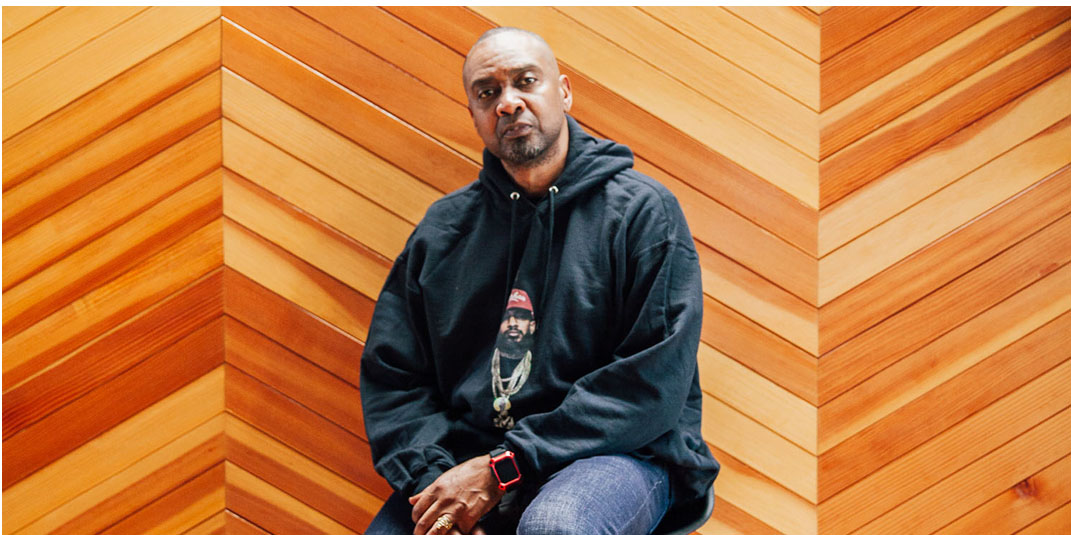
Kathleen Flinton, associate professor of the practice and chair of the Health/Mental Health Fields of Practice

Kathleen Flinton, associate professor of the practice and chair of the Health and Mental Health fields of practice.

Trauma Certificate

The Trauma Certificate Program continues to be one of our most popular certificates each year! The TII's classes are built on best-practice empirical and theoretical approaches, including neurobiological and ecological frameworks.

Courses include: 

SCWK8822 Child and Adolescent Trauma: Clinical Assessment and Treatment

SCWK8874 Adult Psychological Trauma: Clinical Assessment and Treatment

SCWK8879 Advanced Trauma Theories and Treatment Modalities

Student Experience

Strengthening Practice Through Community


Coursework
Trauma practice education is integrated throughout the Health and Mental Health fields of practice, with advanced coursework for clinical and macro students. Clinical students across all fields can also earn a trauma certificate through specialized courses in assessment, theory, and treatment.
View certificates >


Field Practicum
You'll gain hands-on experience in diverse field placements where trauma practice is essential. From schools and healthcare settings to community agencies, students learn to respond with empathy, compassion, and evidence-based approaches that support healing across individuals, families, and communities.
Field Practicum >


Career Outcomes
BCSSW graduates deliver evidence-informed and trauma-informed care across schools, hospitals, community health centers, and specialized programs. Their training prepares them to provide accessible, high-quality trauma care wherever individuals, families, and communities seek support.
View career outcomes >

Monthly conversations. Lifelong impact. 

Learning Communities

The Trauma Integration Initiative Learning Community provides a space to reflect on the impact that trauma work can have on us as individuals and to share support and resources. The Learning Community meets monthly via Zoom, bringing together peers and faculty to discuss practice sustainability. Each session starts with a presentation of a concept related to vicarious trauma and self-care, followed by informal discussion among participants focused on skill implementation. Previous topics include: 

  • Self–compassion 
  • Managing Hard Moments in Practice 
  • Joy in Sustaining Practice 
  • Managing in the Context of Polycrisis 
  • Managing Doubt
  • Utilizing Supervision in Trauma Practice
  • Awareness and Awe
  • Gratitude Practices
  • Presence 

Connecting Research, Practice, and Healing

Trauma Integration Initiative Faculty

Our TII faculty are conducting research and partnering with organizations to improve access to mental and behavioral health services. 

Contact: 
Kathleen Flinton, MSW, MAR, LICSW
TII Co-Chair, Associate Professor of the Practice

Teresa Touhey Schirmer, MSW, LICSW
TII Co-Chair, Associate Dean, Student Experience

Jennifer Roman-Martin, MSW, LICSW
TII Program Coordinator, Adjunct Faculty

Co-founders:
Scott D. Easton, PhD
Associate Dean for Academic Planning, MSW Program Director 

Sue Coleman, MSW
Former Assistant Dean of Field Education

Natalie Hill
Adjunct Faculty 

Zach Smola
Adjunct Faculty

Kate Vigil
Adjunct Faculty  

Transforming How Professionals Respond to Trauma Exposure

Addressing Workforce Sustainability After Graduation: Managing Vicarious Trauma

The Vicarious Trauma Training Certificate Program provides professionals with a comprehensive, evidence-informed approach to understanding and managing the effects of high-trauma exposure in their work.

Developed by Professors Kathleen Flinton, MSW, MAR, LICSW, and Anna Mancuso, MSW, LICSW, this self-paced online course explores the neurobiology of trauma, moral injury, mindfulness, nervous system regulation, self-care, boundaries, neuroplasticity, relationship impacts, and vicarious resilience. Designed to foster sustainable, personalized skills beyond traditional one-time training, the program equips practitioners to strengthen well-being while supporting others.

 Since its launch in January 2025, it has been adapted to address workforce sustainability in other professions, including midwifery and immigration law. 

Mid-Year TII retreat

Students in the TII Learning Community attend the Mid-Year Retreat in January 2026.

A Day to Reflect, Reconnect, and Renew

Annual Retreat

The TII Mid-Year Retreat is for members of the Trauma Integration Initiative Learning Community Cohort to reflect on and attend to the impact of social work practice. The day-long retreat offers an opportunity to connect with others in student-led activities.

The day includes self-paced reflection, peer-facilitated discussion, and creative expression.

Frequently Asked Questions


How do I enroll in/declare the trauma certificate?
Once you have completed your required coursework, you will be sent a form to officially declare the certificate.


How do I apply to the TII Learning Community Cohort?
Applications open in September and remain open until the first meeting in October. 


Can I join the Learning Community if I’m not taking the trauma classes?
Yes! The Learning Community is designed as a supplementary space for all MSW students across different specialties and focuses.

Understanding Trauma. Advancing Healing.

Recent News

A Collaborative Community of Trauma-Informed Leaders

Ready to join us? 

Become a part of our community of like-minded people committed to the Common Good. 

PhD Program: phdsocialwork@bc.edu
Back To Top