



Five years into her nursing career, Elle Berglund ’21 was at a crossroads. Working full time as a nurse at a boarding school, her hours were long. She was often on call. Families needed her; kids needed her. She craved balance. What would she do next ?

Elle Berglund
“I loved the people I worked with, but I was ready for a change, and that felt scary,” Berglund recalls.
Seeking support, Berglund attended a Wellness in Nursing (WIN) event through the Connell School of Nursing (CSON) that focused on finding meaning and purpose at work. WIN offers free retreats and workshops on self-care and wellness, professional growth and development, and mentorship and social connectedness.
“It confirmed for me that I was ready for a change in roles,” she says. “I was looking for something new, something where I could grow. We were able to have some really good discussions about all the different career paths nursing offers—and how rewarding it can be for nurses to pivot into those opportunities.”

Participants at a Wellness in Nursing retreat
Addressing a Public Health Crisis
The WIN program launched in 2025 to address nursing burnout, improve retention, and enhance patient care. CSON oversees the program through a gift from the Tapley Fund for Resilience and Mentorship in Nursing. Nurses in all career stages and specialties are eligible to attend.

Dean Katherine Gregory
“One of the major public health crises in the U.S. is retention of nurses in patient care,” says CSON Dean Katherine Gregory, who witnessed nurses’ burnout firsthand as a nurse-leader at Brigham and Women’s Hospital during COVID-19. “Most of us in nursing are called to the profession. We care deeply about others, and often, prioritize our patient’s health and well-being above our own. This can lead to burnout and departure from the profession.”
Gregory notes that according to the American Nurses Association, 33 percent of nurses leave the profession within their first two years of practice.
“This is why ERs are overf lowing, why patients wait for surgery, why health outcomes are worse in the United States,” she says. “It’s not that we don’t have hospital beds, operating rooms, technology, or science. We lack the workforce to open those beds and harness that science and technology through nurses.”
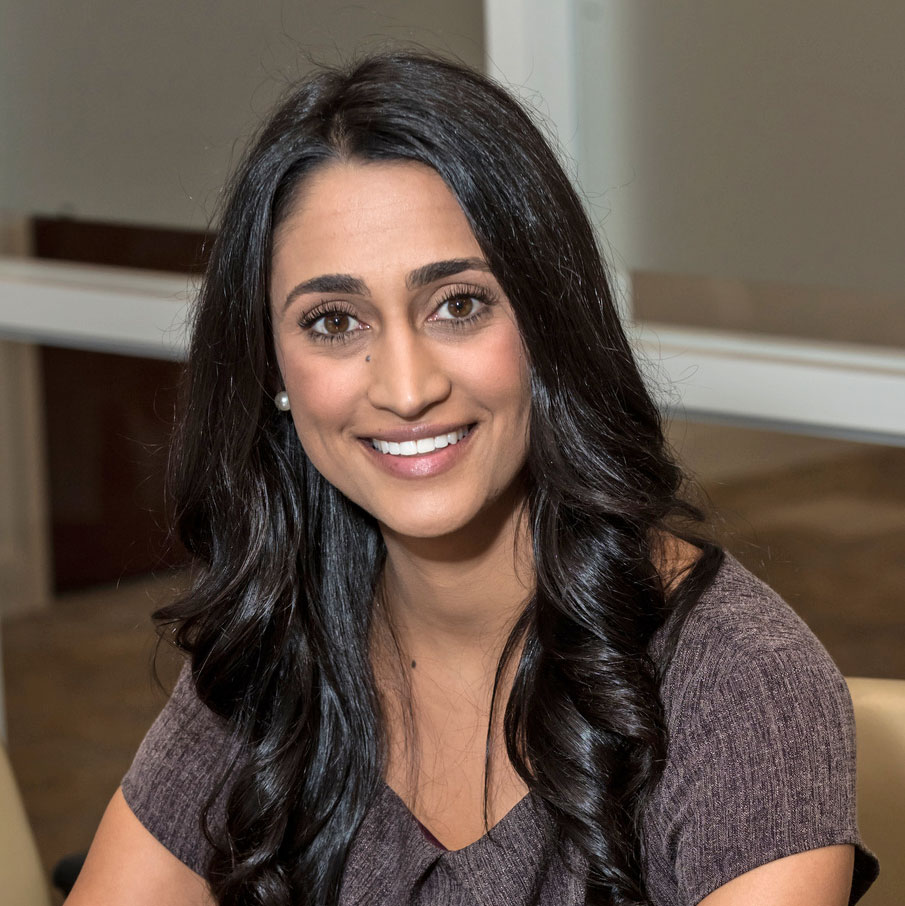
Julie Dunne
In response, Julie Dunne, project lead for Wellness in Nursing, and Kirk Staine, associate director of undergraduate academic services, designed WIN. They worked with early-career CSON alumni to determine what kind of support would be useful, which led them to center the program on wellness, mentorship, and personal and professional growth, with an emphasis on combating the fatigue and isolation that can drive promising nurses from the profession.

Kirk Staine
Staine says he sees WIN as a way to help nurses build sustainable careers by reminding them that work can’t consume their whole selves.
“I tell students and alumni: ‘Yes, you are a nurse, but that is not your only identity,’” he says. “How can we create some space for other things that you enjoy and have fun doing to give you that balance?”

Participants at a Wellness in Nursing retreat
A Safe, Supportive Space
Last spring, WIN kicked off programming with four events, including daylong retreats and career workshops. Staine says the inaugural series demonstrated the value of simply allowing alumni to connect, talk honestly about work, and realize they weren’t alone.
Wellness events push beyond conventional self-care. Here, nurses discuss hard topics: how to cope with moral distress, when to turn down an extra shift, how to navigate secondary trauma after caring for seriously ill patients, and how to extend compassion to themselves.
“It was really cool to see the participants from different fields in nursing meet each other, to have overlap in things that they were grappling with, and to connect on a human level: ‘I get worried about this; you get worried about that,’” Dunne says.
-

Participants in a WIN cooking class
-

Participants in the online Tea and Talk peer mentorship group
-

Participant at the WIN retreat
Alumni feedback shapes WIN’s approach to mentorship and social connection. Guided by alumni requests for a more open format, these gatherings encourage nurses to learn alongside one another through small-group discussions or simple pairings between seasoned professionals and newer nurses. Honoring the CSON tradition established in the 1940s, WIN also hosts “Tea and Talk” peer-support drop-in groups.
Many events have dual purposes: a cooking and nutrition event was a fun way to bond, but it also taught nurses an essential life skill, useful during overnight shifts, short lunch breaks, and when caring for patients on special diets. Many events have dual purposes: a cooking and nutrition event was a fun way to bond, but it also taught nurses an essential life skill, useful during overnight shifts, short lunch breaks, and when caring for patients on special diets.
Professional workshops, such as the one Berglund attended, center on finding meaning in work.
“We focus on purpose, balance, and meaning versus picking a job because it’s what people tell you that you should do or because it’s the job that’s most convenient. We try to help people sort through why they became a nurse and how a job can align with their values,” Dunne says.
The program also offers grants to nurses who want to become clinical instructors or preceptors, helping cover the cost of additional training. The goal is to expand nurses’ job options by opening doors to teaching or research. That variety can also help prevent burnout by allowing nurses to build more flexible, sustainable careers.
Participants have responded positively so far, with nurses saying they value having a nonjudgmental, relaxed place to share outside the confines of work.
“One of the comments that came up a lot was: ‘It’s really nice to have a space to talk about this stuff that’s not on the unit I work. It takes the pressure off,’” Dunne says.
“Yes, you are a nurse, but that is not your only identity. How can we create some space for other things that you enjoy and have fun doing to give you that balance?”
—Kirk Staine
Associate Director, Undergraduate Academic Services
Care for the Caregivers

Susie and Andrew Tapley
Susie Tapley ’00, who comes from a long line of BC graduates, and her husband Andrew were inspired to fund the initiative after witnessing the devotion of nurses when their daughter, Mae, was an infant cardiac patient at Boston Children’s Hospital. Mae underwent lifesaving open-heart surgery, and Susie was comforted by the skill and warmth of the nurses who sat with her family, truly got to know her daughter, and carefully coordinated her care.
“When you’re inpatient, nurses are the bridge between the family and the rest of the medical team. In my experience, they take the time to really get to know a child and look at them in a more holistic way,” Susie Tapley says.
Tapley, who majored in communication at BC, has seen how compassion, humility, and a willingness to ask for help can shape a family’s experience of care. She hopes the program helps nurses fully appreciate their impact as well as the importance of sustaining themselves to keep doing their work. In addition to her personal experience, she runs MAST Nantucket, a well-being center for the public focused on self-care: meditation, movement, and breathwork. Both Susie and Andrew are members of BC’s Board of Regents.
“Each of us has the power to have incredible impact right inside our communities,” Susie Tapley says. “If I can learn how to manage my own nervous system and take care of myself, the impact that I can have is even more tremendous.”
This year, Berglund will begin a new nursing role at a day school, with hours that suit her better. With the help of the WIN program, she was relieved to realize she could change her path without abandoning her calling.
“A lot of the time with nursing, people think: ‘Oh my gosh! You’re a nurse. You’re so caring, empathetic, and kind,’ and they don’t realize how taxing it can be taking care of people all day,” she says. “It’s nice hearing firsthand from people experiencing what you’re experiencing, feeling like this is a safe space to talk about nursing as a career.” ▪
Upcoming WIN Events
Monday, January 25, 2027
4–5 p.m.
WIN “Tea and Talk” peer mentorship drop-in group (virtual)
Thursday, February 4, 2027
4–7 p.m.
Personal and professional reflection* (in person)
Thursday, March 11, 2027
4–7 p.m.
Professional development* (in person)
*Attendees receive 2 ANCC Contact Hours