

As a Master’s student, you’ll choose from five advanced practice specialties to prepare for certification as a nurse practitioner. Each specialty provides focused courses and clinical placements, helping you discover your professional passion.

As a master’s student in our MSNP track, you will develop the skills and gain the first hand experience to take on the most pressing health care challenges. As an nurse practitioner, you will provide care at the full scope of practice.
This pathway is for you if you earned a bachelor’s degree in nursing and your goal is to become a nurse practitioner.
The Direct Entry pathway offers students with bachelor’s degrees in fields other than nursing an accelerated opportunity to become an in-demand nurse leader. This program has a July start.
* Note: GRE is preferred, but not required for application.
Throughout the first four semesters of full-time study, you will prepare to take the NCLEX and become a licensed RN. At the end of this portion of your studies, you will be conferred a master of science degree.
During the final portion of your program, you will complete courses and clinical fieldwork in your specialty. You will graduate prepared for certification as a nurse practitioner.
Students will complete both the Master of Science, Nursing curriculum and the Master of Science, Nurse Practitioner curriculum for a total of 96 credits.
Applicants are responsible for ensuring that coursework they have completed satisfies the prerequisite requirements. The graduate program staff will not contact applicants during the admissions process to verify prerequisite coursework.
Direct entry students are required to complete prerequisite courses prior to the start of the program. All prerequisite coursework must be completed prior to matriculation. Students must receive a minimum grade of B- (80) in each of the prerequisite courses. AP credit is NOT accepted as fulfilling prerequisite coursework.
Nutrition |
|---|
Human Development, Lifespan Development, or Developmental Psychology
|
Statistics
|
*Anatomy and Physiology I and II with Lab (Human)
|
*General Chemistry I with Lab
|
*Microbiology (Biology of Microbes) with Lab
|
*Courses and labs must have been completed within five-years of the year of application. It is preferred that applicants have at least three science prerequisites completed or in process at the time of application. |
For coursework completed before applying, please submit transcripts as part of your application. For coursework that you plan to complete after applying but before starting the program, please indicate this on the application and submit transcripts following course completion.
This program is designed for you if you earned a master’s degree in nursing and your goal is to become an advanced practice clinician. This program is not for current APRNs.
Our program allows current RNs without bachelor’s degrees to maximize both their experience and the credits they have earned from previous programs (approximately 112 earned credits required). If you are a motivated and accomplished student who wishes to transform your professional knowledge into a career as an advanced practice nurse, this program is for you.
MS End of Program Outcomes (for APRN degrees)
MSN |
AACN Essential Domain |
Synthesize established and evolving knowledge from nursing and other disciplines to support a philosophy of care that advances nursing specialty practice.
| Domain I: Knowledge for Nursing Practice; Integration, translation, and application of established and evolving disciplinary nursing knowledge and ways of knowing, as well as knowledge from other disciplines, including a foundation in liberal arts and natural and social science. |
Lead the implementation of evidence-based, compassionate, person-centered care that values the intrinsic worth of all human beings and integrates altruism, autonomy, human dignity, respect, integrity, and social justice across advanced nursing practice specialties.
| Domain 2: Person Centered Care: Person-centered care is holistic, individualized, just, respectful, compassionate, coordinated, evidence-based, and developmentally appropriate. |
Implement evidence-based interventions that promote health, prevent illness, and reduce health inequities across diverse populations within advanced nursing practice specialties.
| Domain 3: Population Health; Population health spans the healthcare delivery continuum from public health prevention to disease management of populations and describes collaborative activities with both traditional and non-traditional partnerships from affected communities, public health, industry, academia, healthcare, local government entities, and others for the improvement of equitable population health outcomes. |
Synthesize, translate, and implement scientific findings within nursing and other disciplines to improve health and healthcare delivery.
| Domain 4: Scholarship for the Nursing Discipline; The generation, synthesis, translation, application, and dissemination of nursing knowledge to improve health and transform health care. |
Evaluate and implement established and emerging principles of safety and improvement science within advanced nursing practice specialties to promote quality health care to minimize risk of harm to patients and providers through both system effectiveness and individual performance.
| Domain 5: Quality and Safety: Employment of established and emerging safety and improvement science. Quality and safety as core values of nursing practice, enhance quality and minimize risk of harm to patients and providers through both system effectiveness and individual performance. |
Facilitate collaboration and effective, respectful communication with professional partners and care team members to address healthcare needs and enhance healthcare delivery and outcomes.
| Domain 6: Interprofessional Partnerships; Intentional collaboration across professions and with care team members, patients, families, communities and other stakeholders to optimize care, enhance the healthcare experience, and strengthen outcomes. |
Evaluate and optimize resources within complex systems of healthcare and policy to provide safe, high-quality, cost-effective, equitable care for diverse populations.
| Domain 7: Systems-Based Practice; Responding to and leading within complex systems of healthcare. Nurses effectively and proactively coordinate resources to provide safe, quality, and equitable care to diverse populations. |
Evaluate and incorporate data, communication technologies, and informatics processes to form information and drive decision making within advanced nursing practice specialties, in accordance with professional and regulatory standards.
| Domain 8: Informatics and Healthcare Technologies; information and communication technologies and informatics processes are used to provide care, gather data, form information to drive decision making, and support professionals as they expand knowledge and wisdom for practice. Informatics processes and technologies are used to manage and improve the delivery of safe, high-quality, and efficient healthcare services in accordance with best practice and professional and regulatory standards. |
Model a professional identity that advocates accountability, integrity, civility, perspective, and collaborative disposition through behaviors and leadership qualities that reflect nursing’s characteristics, ethics, and values. | Domain 9: Professionalism; Formation and cultivation of sustainable professional identity, including accountability, perspective, collaborative disposition, and comportment, that reflects nursing’s characteristics and values.
|
Model self-care and self-reflection that foster personal health, resilience, and well-being; engage in lifelong learning, and promote nursing expertise and leadership in self and others. | Domain 10: Personal, Professional, and Leadership Development; Participation in activities and self-reflection that fosters personal health, resilience, and well-being; contributes to lifelong learning; and supports the acquisition of nursing expertise and the assertion of leadership.
|
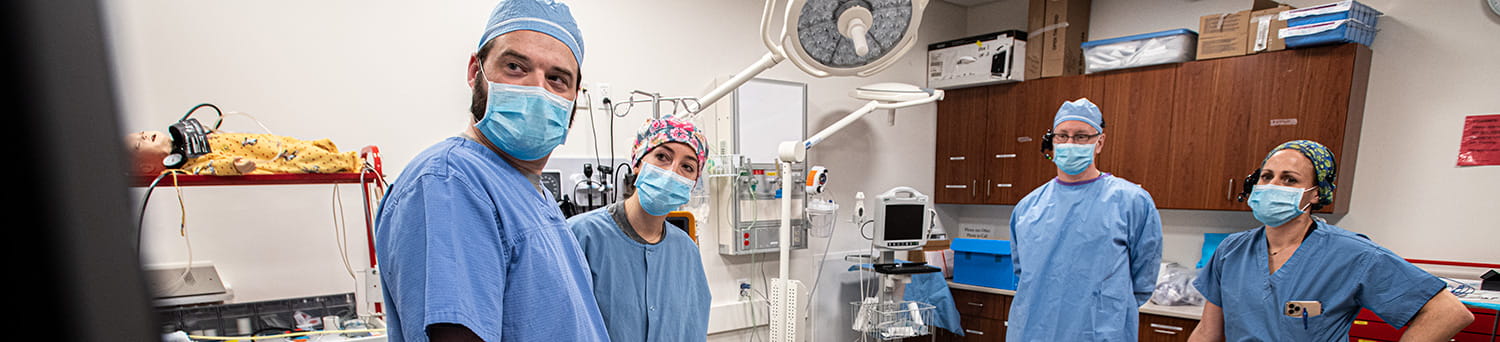
As a Master’s student, you’ll choose from five advanced practice specialties to prepare for certification as a nurse practitioner. Each specialty provides focused courses and clinical placements, helping you discover your professional passion.
The Connell School and Boston College offer multiple opportunities to fund a graduate education. CSON graduate students receive financial assistance through internal and external sources—including scholarships, fellowships, grants, teaching and research assistantships, and tuition remission.
A non-refundable application fee of $75 is required.
Please limit to two pages.
Please respond to the two prompts outlined below as they pertain to your goals. The responses should be typewritten, double-spaced, and limited to 1.5 pages for each prompt. The essays are very important to the Admission Committee’s deliberations, allowing them to assess your personal goals, your reasons for choosing advanced practice nursing as your career, your commitment to the profession of nursing, and your writing ability.
Official transcripts are preferred but not required upon application. If admitted, official transcripts will be required.
Official digital transcripts can be sent to csongrad@bc.edu.
All hard copy transcripts may be sent to the following mailing address:
Boston College
Graduate Nursing Office
Maloney Hall - 2nd Floor
140 Commonwealth Avenue
Chestnut Hill, MA 02467
*If the last name on your transcript does not match the application name, please contact csongrad@bc.edu after submitting the application.
Please submit a copy of your RN license
Based on the answers you provide in your application, you may need one or more of the following forms to complete your application: