


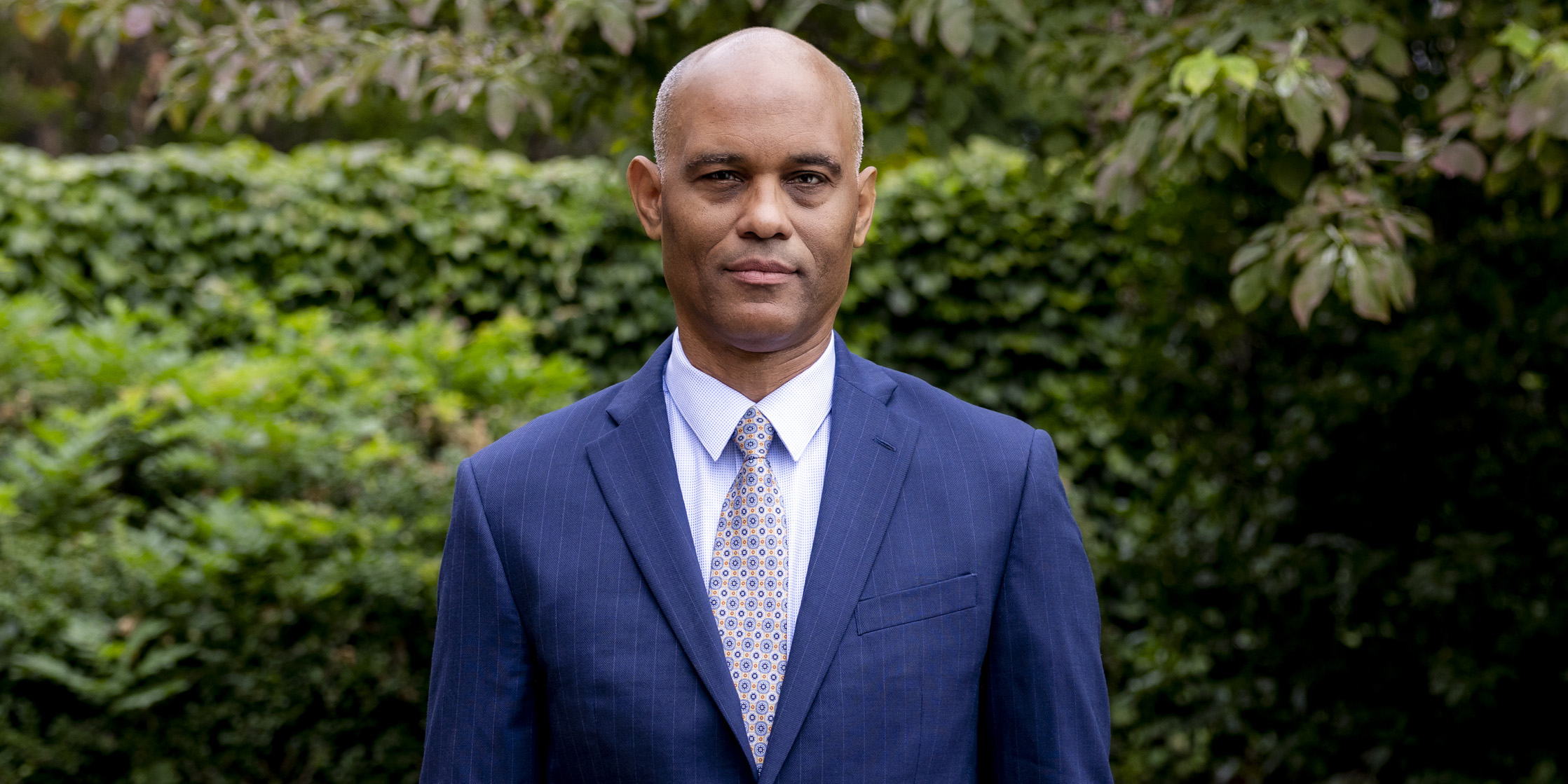
Over the past two decades, the heirs’ property field has evolved significantly, moving “from the shadows to the light” as researchers, advocates, and policymakers have worked to better understand the problem and help fill its long-standing “empirical vacuum.” In a recently published article, Professor Thomas Mitchell, who also serves as the Initiative on Land, Housing & Property Rights’ Director, documents how increased research across a number of disciplines has helped bring national attention to heirs’ property.
A major turning point in this work was the creation of the Uniform Partition of Heirs Property Act (UPHPA) in 2010, of which Mitchell served as the principal drafter. Developed through the Uniform Law Commission to address longstanding inequities in partition law, the UPHPA provides important protections for heirs’ property owners.
Today, the UPHPA has been adopted in many states and has become a cornerstone policy reform aimed at preventing involuntary land loss and preserving generational wealth for families who own heirs’ property, particularly Black and brown families.
Building on this progress, Mitchell recently delivered the keynote at an event hosted by the Urban Institute examining the impact of the UPHPA. The event brought together researchers, practitioners, and policymakers to discuss how the law is shaping outcomes for families across the country and what additional strategies are needed to protect heirs’ property owners.
As the field continues to grow, Thomas Mitchell’s scholarship and leadership remain central to advancing reforms that help families retain their land and build intergenerational wealth. Once known as “the worst problem you’ve never heard of,” heirs’ property is now firmly part of the national policy conversation.
Read more in Director Thomas Mitchell’s article: “The heirs’ property field: moving from the shadows to the light to enlightened, evidence-based solutions”
Event archive video: “The Impact of the Uniform Partition of Heirs’ Property Act: Local Lessons and the Way Forward”
This event was organized by Michael Neal in his role at the Urban Institute. We share it here because of its relevance to our mission.