


$2M NSF grant project will support development of science curricula
The National Science Foundation has awarded a four-year, combined $2 million collaborative grant to the Lynch School of Education and Human Development and the University of Texas at Austin to research and design professional learning resources and tools that support elementary school teachers in customizing science curricula to expand equitable “sensemaking” for multilingual learners.
Scientific sensemaking—such as using data to reason and develop explanations for natural and designed phenomenon in the world around us—is vital to learning and performing science, explained principal investigator Katherine L. McNeill, Bryk Faculty Fellow and program director of curriculum and instruction at the Lynch School.
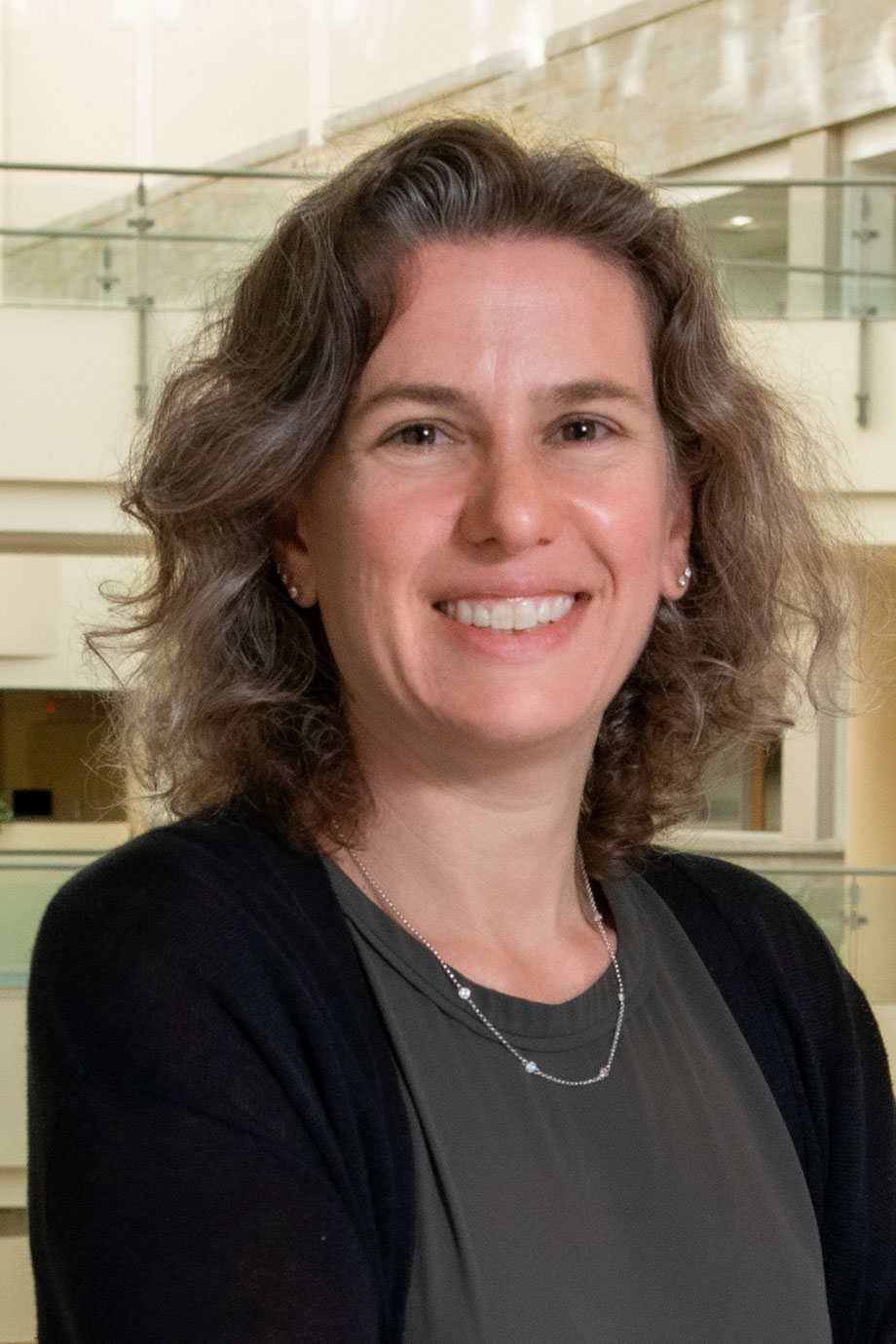
Lynch School Professor and Bryk Faculty Fellow Katherine L. McNeill (Lee Pellegrini)
“Oral and written language, visual and numerical representations, physical models, and other forms of communication are vital to scientific sensemaking, yet research has not yet fully explored how science curricula can be customized to account for the distinctive communicative ranges of individual learners within elementary science classes,” said McNeill. “This project will address this important gap in practice by developing a suite of tools that elementary teachers can use to customize existing open-source, standards-aligned science courses, so that these curricula are better able to support students with a span of communicative strengths, including multilingualism.”
Titled “Professional Learning Resources for Customizing Curricula to Support Elementary Students in Using Full Communicative Repertoires for Scientific Sensemaking,” the project is co-led by Lynch School Associate Professor Zhushan Li of the Measurement, Evaluation, Statistics & Assessment Department and María González-Howard Ph.D. ’17, an associate professor at the University of Texas-Austin College of Education.
According to McNeill, the researchers and 24 elementary school teachers will co-design standards-aligned, curricular customization tools that support scientific sensemaking among third-, fourth-, and fifth-grade students with varying communicative strengths.
“These tailored tools will serve as the basis for professional learning modules on how to support learners who speak one or more languages in developing and using their full communicative ranges while engaging in scientific sensemaking, as guided by the curricula,” she said. “Subsequent research will explore whether and how the professional learning experiences influence participating teachers’ beliefs, preparedness, instructional practice and curricular customizations. The resulting learning components and customized tools will be disseminated widely to achieve national impacts in science learning for elementary students.”
“ Co-designing tools with elementary science teachers to customize curricula for specific student needs is important work. This is a particularly promising approach, with the customizations helping teachers support repertoires that will enhance student learning. ”
The tools may include the means for evaluating existing language opportunities, such as linguistic resources that are currently used for sensemaking; instruments for enhancing sensemaking displays so they include a broader array of representations; and records of classroom customizations that illustrate how these specializations can be enacted across a range of elementary classes.
In the project’s second phase, these customization tools will be shared with a larger set of elementary educators in the context of research-aligned professional learning experiences. Mixed-methods research will explore whether and how these educators’ beliefs, preparedness, instructional practices, and curricular modifications shift as they participate in the professional learning sessions.
Specifically, McNeill explained, the research team will analyze teacher surveys, video recordings from the professional learning sessions and classroom observations, and artifacts from the educators’ curricular customizations.
“The resulting empirical research will advance knowledge regarding how teacher professional learning, and the associated materials, can be designed to better account for the unique compositions of elementary classrooms across the nation,” she said.
“We are very pleased that Kate McNeill has received this NSF grant, one of the first to be awarded since the government started processing such proposals again,” said Stanton E. F. Wortham, the Charles F. Donovan, S.J., Dean of the Lynch School. “Co-designing tools with elementary science teachers to customize curricula for specific student needs is important work. This is a particularly promising approach, with the customizations helping teachers support repertoires that will enhance student learning."