 Kyle Albrecht Kyle Albrecht
Kyle Albrecht
Graduate Student

I am interested in seeing how much of a presence the U.S. has at COP30 given the current administration's stance on climate change. Further, I'd love to witness negotiations for treaty provisions, if any, to see how nations band together to protect their own interests versus the interests of all.
Hometown: Oakland, New Jersey
School: Boston College Law School
Field of Study: Law
Graduation Year: 2026
Why did you get involved in COP 30?:
I have always been interested in environmental issues, and my MSc in Environmental Economics increased my exposure to the nuances of international environmental cooperation, along with the game theory that underlays decision-making. I hope to use this experience to learn about future careers in government or related industries advocating for a better environment.
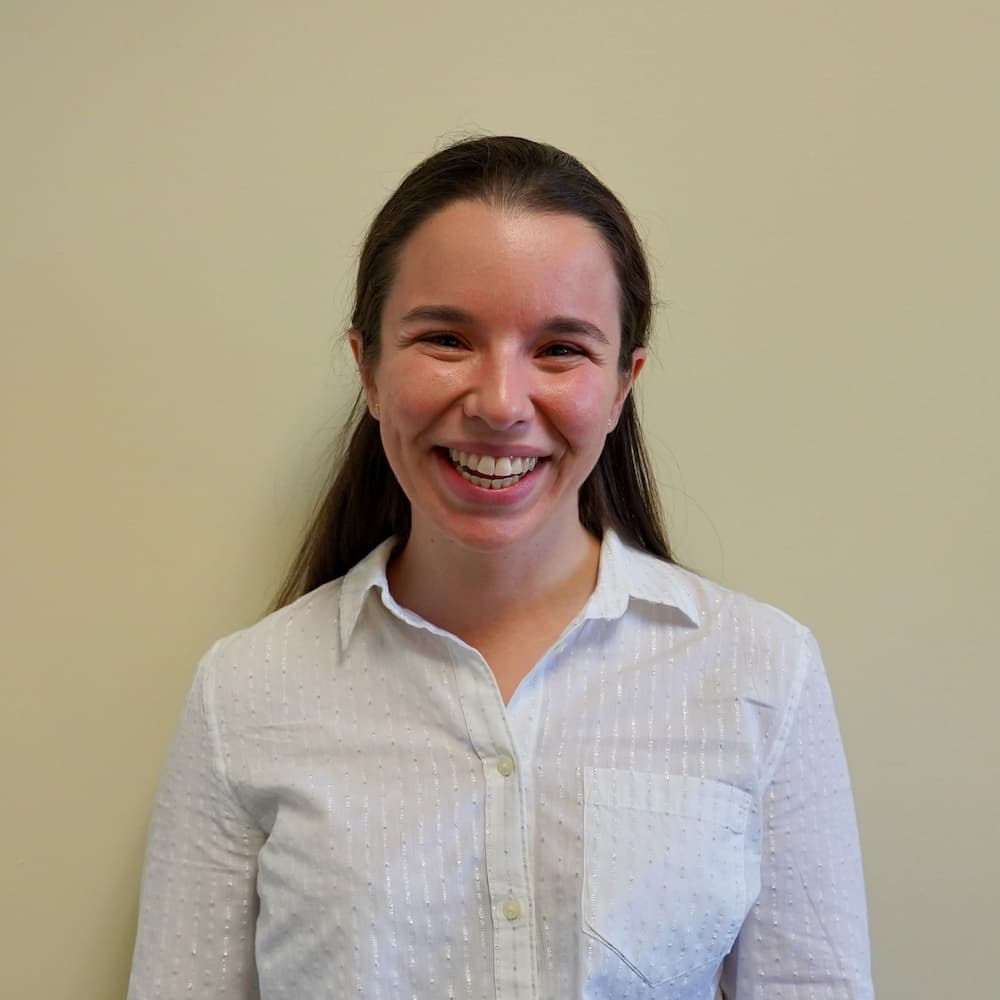 Abby Bergman Abby Bergman
Abby Bergman
Graduate Student

Through my experience, I hope to reimagine education’s role in building a sustainable future. I am excited to explore how technological climate challenges and solutions are being framed on the global stage. I am looking forward to how the conversations, negotiations, and events will deepen my understanding of how climate and environmental issues can be made more relevant in STEM education.
Hometown: Somerville, Massachussets
School: Lynch School of Human Education & Development
Field of Study: Department of Formative Education, PhD Student
Graduation Year: 2028
Why did you get involved in COP 30?:
Because my PhD research centers on computer science education, I want to support learners in critically understanding both the limitations and possibilities of technological innovation. I am hopeful that engaging with global perspectives at COP will strengthen my ability to bring these insights into educational contexts, ensuring students are not only literate in technology but also ethically and environmentally informed.
 Morgan Bleakley Morgan Bleakley
Morgan Bleakley
Undergraduate Student

COP30 comes at such a pivotal moment, marking ten years since the Paris Agreement. As a week 1 delegate, I am looking forward to sitting in on climate finance negotiations and understanding how countries are following through on their pledges from the past year. For me, it's really about being present in the room and asking as many questions as I can to get the most out of this incredible experience.
Hometown: Sudbury, Massachusetts
School: Morrissey College of Arts & Sciences
Field of Study: Environmental Studies Major, Accounting for Finance & Consulting Minor
Graduation Year: 2026
Why did you get involved in COP 30?:
I have always known I wanted to work in sustainability, and COP is at the center of all climate change work. Bringing together people from across the globe, COP is able to amplify voices on a global scale to understand the urgency of the climate crisis and the diverse challenges faced across the globe.I wanted to get involved in COP because it’s an opportunity to be part of something bigger than myself and learning from people who are driving real change and bringing those lessons back to the BC community.
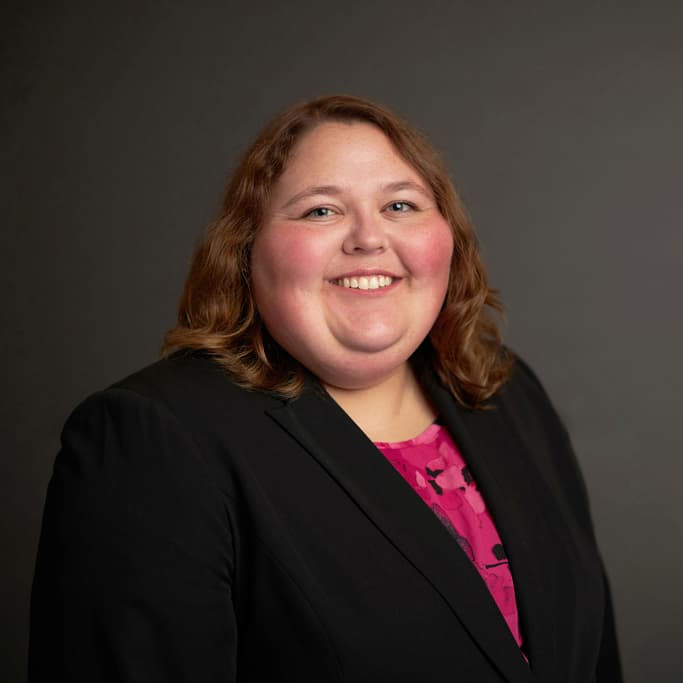 Emma Brace Emma Brace
Emma Brace
Assistant Professor

I am super excited about two things! First, bringing back what I learned to the BC community and finding ways to incorporate it into my research and teaching as well as other campus community initiatives. Second, I have personal and professional connections to Brazil (I will be taking BC students to Brazil next summer for a course called "Powering the Planet") and I am excited to grow and build on those connections while in Belém.
Hometown: Topeka, Kansas
School: Morrissey College of Arts and Sciences
Field of Study: Engineering; Environmental Studies (by courtesy)
Why did you get involved in COP 30?:
My research aims to engineer fuels and other products through manufacturing processes that are less carbon-intensive than petrol-based counterparts, while still being economically viable. This directly relates to all five pillars of the UNFCCC regime: mitigation, adaptation, finance, technology, and capacity-building. My courses all include related topics as well, from teaching students not only how to calculate power plant efficiencies but also what makes different types of fuel sources more or less environmentally-friendly (Thermodynamics), to project-based learning to evaluate environmental, economic, and social impacts of renewable energy technologies (Quantitative Sustainable Design). I'm excited to engage with the policy aspects of climate and environmental policy and renewable energy transitions at COP30.
 Tony Edgington Tony Edgington
Tony Edgington
Graduate Student

Throughout my education, I’ve struggled to find an avenue to share and apply my science beyond specialized society conferences. I’m excited for this opportunity to engage with global policymakers and scientists to facilitate my learning of policy, decision-making, and governance related to climate action in my field. Particularly, I’m eager to explore how my work on rivers and coastlines can inform equitable adaptation strategies in low-lying, urban areas like Belém.
Hometown: The Woodlands, Texas
School: The Graduate School of the Robert J. Morrissey College of Arts and Sciences (MCGS)
Field of Study: PhD, Earth and Environmental Sciences Department
Graduation Year: 2028
Why did you get involved in COP 30?:
Belém, as the gateway to the Amazon River, embodies both the deep, millennia-long legacy of indigenous stewardship and the urgency of the modern environmental movement. Lying in an estuarine floodplain, Belém is vulnerable to sea-level rise, flooding, and other climate risks. As a coastal and riverine geoscientist, I drawn to learn from and contribute to COP30-themed discussions on sustainable development and climate justice in vulnerable regions while centering indigenous needs and knowledge.
 Delphine Gareau Delphine Gareau
Delphine Gareau
Undergraduate Student

I am most excited to bring what I learn at COP 30 back to Boston College and into my future career in environmental, human rights, or international law. Gaining perspectives from people across the world who are dedicated to addressing the climate crisis will deepen my conversations at home, rooting local action in global contexts and priorities.
Hometown: Concord, Massachussets
School: Morrissey College of Arts and Sciences
Field of Study: International Studies
Graduation Year: 2026
Why did you get involved in COP 30?:
I got involved in COP 30 because I want to better understand how international cooperation on climate change actually works in practice. As an International Studies major concentrating in Ethics and Social Justice, I’m drawn to the ways multilateral agreements can establish responsibility and accountability. Being a delegate at COP will give me the chance to see how countries navigate negotiations and commitments, and how questions of justice and obligation play out on a global stage.
 Hana Haile Hana Haile
Hana Haile
Graduate Student

I'm most excited about bringing global conversations on climate justice back into our everyday lives. Climate issues, particularly in more urban and suburban communities, can feel distant or overwhelming, but COP offers an opportunity to translate broader global solutions into local action. I hope to return to Boston College and my broader community with tools, stories, and perspectives that empower others to see that change is possible right where we are.
Hometown: Upper Darby, Pennsylvania
School: School of Social Work
Field of Study: Social Work
Gradutation Year: 2026
Why did you get involved in COP 30?:
Growing up outside West Philadelphia, and witnessing environmental disparities that disproportionately harmed low-income and BIPOC residents, shaped how I see climate change today. Not only as an environmental crisis, but as a driver of displacement and forced migration. As the daughter of Eritrean immigrants, a social work student, and a research assistant with Research Program on Children and Adversity, I am deeply interested in how climate change can uproot families and how global policy can respond to refugee resettlement and adaptation. In attending COP30, I hope to hear, understand and engage with climate negotiations on these issues so I can bring insights back to my work on refugee resettlement and climate resilience at Boston College.
 Mengyun Jiang Mengyun Jiang
Mengyun Jiang
Undergraduate Student

I am excited to watch the negotiations between countries with diverse perspectives. In addition, I look forward to engaging with participants from various backgrounds and building new connections. Exploring Belém and the Amazon rainforest also excites me, as does experiencing the protests and social activities expected in the Green Zone of COP.
Hometown: Beijing, China
School: Morrissey College of Arts and Sciences and Carroll School of Management
Field of Study: Major in Global Public Health and the Common Good and Biology
Graduation Year: 2026
Why did you get involved in COP 30?:
Born and raised in an urban area in Beijing, I experienced firsthand how clear blue skies were gradually replaced by haze and pollution, harming the health of my community. These experiences shaped my early commitment to environmental action. Entering college and joining my research program was another eye-opening experience that deepened my motivation to work in sustainability. Inspired by my PhD mentor and my work on lithium battery recycling, I developed a strong interest in microbial technologies for clean energy. Getting the opportunity to attend COP30 will allow me to communicate with more scientists and authorities to learn about updated policies regarding battery recycling, EVs, and further sustainability actions.
 Elleen Kim Elleen Kim
Elleen Kim
Undergraduate Student

I’m most excited to learn about emerging climate innovations and the policies being developed to support them. I’m also looking forward to connecting with people from around the world and exchanging ideas I can bring back to BC to strengthen sustainability engagement on campus.
Hometown: Katy, Texas
School: Morrissey College of Arts and Sciences
Field of Study: Major: Economics; Minors: Environmental Studies, Finance, Hispanic Studies
Graduation Year: 2026
Why did you get involved in COP 30?:
Ever since I first learned about the United Nations in junior high, I have been fascinated by international cooperation. My time at BC has deepened that passion and nurtured my love for interdisciplinary learning about all things climate and sustainability. COP30 felt like the perfect intersection of those interests: a space to see collaboration, innovation, and policy in action. Having been born on a tropical island and having firsthand experienced several major hurricanes, I have seen how deeply climate change affects vulnerable communities. I wanted to take part in meaningful conversations about global climate solutions and discover new ways to drive progress alongside climate resilience.
 Kaley McCarty Kaley McCarty
Kaley McCarty
Assistant Director, Programs

I'm most excited about witnessing the impactful, life-changing experience this opportunity provides our students, especially with the unique backdrop of Brazil and its proximity to the Amazon rainforest. I'm also really looking forward to the expected energy, as many anticipate a lively Green Zone where civil society, youth, and Indigenous peoples will be front and center. I truly hope COP30 lives up to its billing as the "implementation COP," and I am interested to see how Brazil's innovative approach of hosting climate events across the entire country — not just the host city — plays out on the ground and fuels that momentum. I'm also thrilled to be there for the full two weeks, which will allow me to be deeply involved in supporting and sharing the experiences of our entire delegation.
Hometown: Huntington Beach, California
School: The Schiller Institute for Integrated Science and Society
Why did you get involved in COP 30?:
As Assistant Director, Programs for the Schiller Institute, I have the honor and privilege of leading Boston College's engagement in COP30. This opportunity to shape BC's involvement in the leading international climate space and being able to help offer students impactful and life-changing experiences through our COP programming was one of the core elements that excited me most about taking on this role.
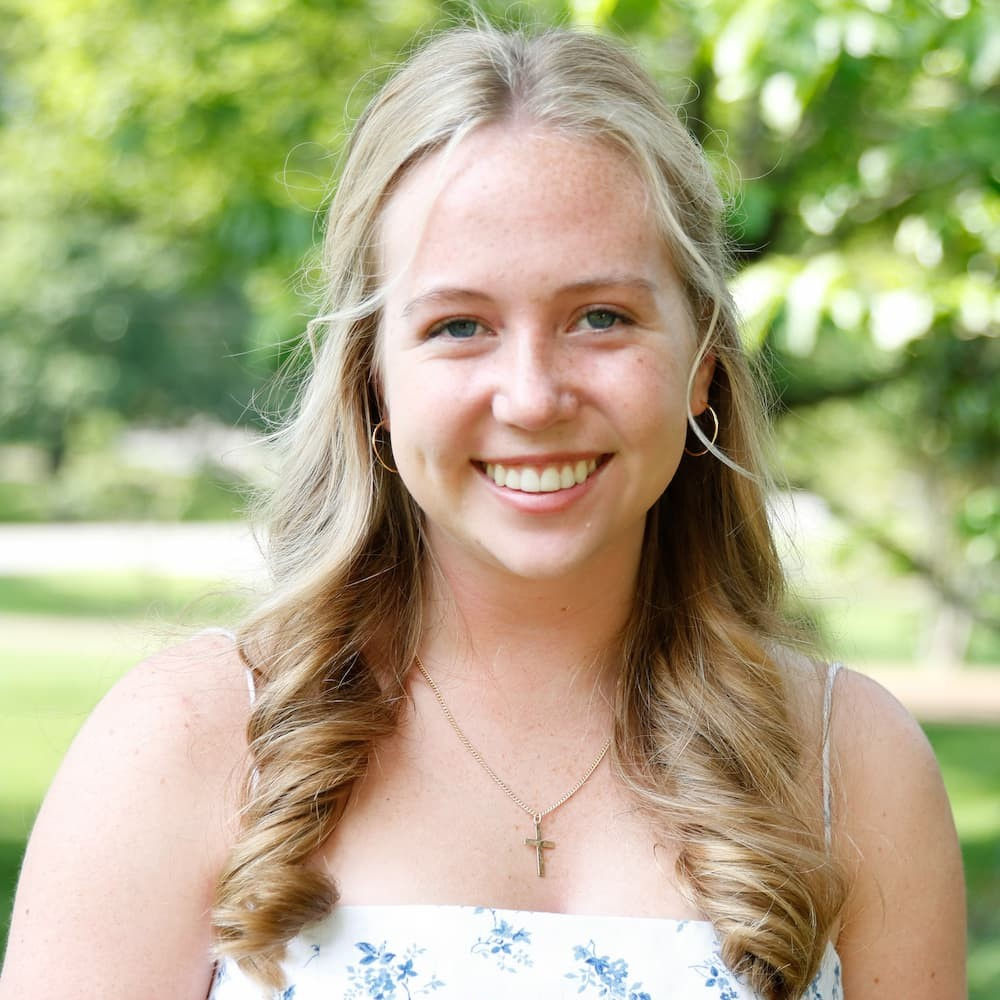 Mackenzie Meyer Mackenzie Meyer
Mackenzie Meyer
Undergraduate Student

I'm most excited to engage with world leaders and climate advocates on solutions that link climate policy with public health outcomes, especially strategies that can protect vulnerable populations like children from pollution and climate-driven disease.
Hometown: Nashville, Tennassee
School: Connell School of Nursing
Field of Study: Global Public Health and the Common Good
Graduation Year: 2026
Why did you get involved in COP 30?:
I got involved in COP30 because of my passion for global public health and climate justice. After spending time in Mombasa, Kenya, observing how rising temperatures and extreme weather are fueling vector-borne diseases, I wanted to be part of the global conversation on climate adaptation and health equity.
 Connor O'Brien Connor O'Brien
Connor O'Brien
Undergraduate Student

I am excited to engage in discussions regarding sustainable development with leaders and advocates from around the world, especially on the implementation of the Paris Agreement and the topic of the new COP30 Circle of Finance Ministers. I plan to use these insights in future research down the line that addresses climate change’s role in economic development across Eurasia. I also believe this experience will greatly prepare me for a career in diplomacy by understanding the complexities of negotiations at such a large scale, and I look forward to working with my fellow delegates to discuss the intricacies and interconnectedness of these issues. I see COP 30 as an opportunity to build partnerships centered around sustainable infrastructure and development, especially with Belem’s location in the Amazon, and hope it will prove to be a productive conference.
Hometown: Fort Washington, Pennsylvania
School: Morrissey College of Arts and Sciences
Field of Study: International Studies and Economics, Russian Minor
Graduation Year: 2028
Why did you get involved in COP 30?:
My involvement in COP 30 comes from an understanding of the role of climate change as a driver of social, political, and economic inequality. By viewing the realities of climate change in Central Asia and its disproportionate effect on the developing world first-hand, I was motivated to seek out tangible ways to address such a complex and multifaceted issue from a diplomatic lens. As a student of International Studies and Economics, I am particularly aware of climate change’s role in exacerbating these economic gaps and the role of institutions like the UN is addressing these issues. I was motivated to join BC’s delegation in hopes of deepening my understanding of how the voices of developing countries can be amplified in the negotiation process, and better understand the role of the US in these discussions in the current political climate.
 Tara Pisani Gareau Tara Pisani Gareau
Tara Pisani Gareau
Professor | Week 2 Faculty Lead

I am most looking forward to learning about the variety of work happening around the world on nature-based solutions, including those applied to food systems, and networking with a diversity of people who are actively working on climate change mitigation and adaptation. I am also excited to get to know my fellow BC faculty and the incredible group of BC students. This will be a special experience for all of us and I am grateful to be a part of it!
Hometown: Concord, Massachussets
School: Morrissey College of Arts and Sciences
Field of Study: Earth and Environmental Sciences; Environmental Studies Program
What are you most excited about for COP 30?:
I am most looking forward to learning about the variety of work happening around the world on nature-based solutions, including those applied to food systems, and networking with a diversity of people who are actively working on climate change mitigation and adaptation. I am also excited to get to know my fellow BC faculty and the incredible group of BC students. This will be a special experience for all of us and I am grateful to be a part of it!
 Fazli Salim Fazli Salim
Fazli Salim
Graduate Student

COP30 is where global decisions meet human behavior. I’m excited to see my research come to life: how behavioral theories are tested against the realities of politics, economics, and culture in real time. I’m equally inspired by the chance to meet grassroots organizations from across the world who are developing community-centered solutions putting people at the heart of climate action, something that often gets ignored in international climate policies. For someone working at the intersection of behavior and environmental issues, it feels both deeply relevant and inspiring.
Hometown: Delhi, India
School: Morrissey College of Arts and Sciences
Field of Study: Ph.D. Student, Social Psychology, Department of Psychology and Neuroscience
Why did you get involved in COP 30?:
Most COP discussions focus on technologies, finance, and policy frameworks, but none of these succeed unless people, communities, and institutions are willing to adopt them. As someone studying behavioral interventions for collective action, I see COP30 as the ideal place to watch the gap between research and practice being bridged. Much of the existing behavioral climate research is rooted in Western contexts, yet interventions don’t always translate to India, Brazil, or other parts of the Global South. I’m eager to learn culturally grounded strategies that work in real communities, from researchers and practitioners across the world.
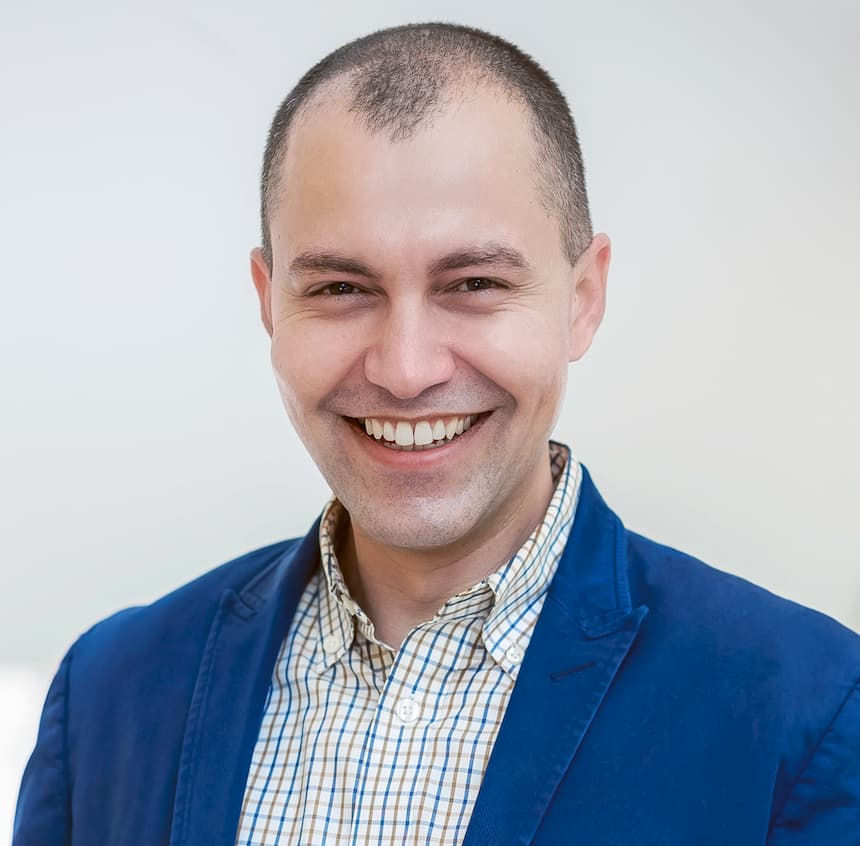 Edson Severnini Edson Severnini
Edson Severnini
Associate Professor

I’m most excited about the chance to collaborate with people from BC and around the world who are committed to tackling climate change. COP 30 offers a unique platform to share research, exchange ideas, and help shape policies that can drive real, large-scale impact.
Hometown: Dolcinópolis, São Paulo State, Brazil
School: Schiller Institute for Integrated Science and Society
Field of Study: Economics
Why did you get involved in COP 30?:
I got involved in COP 30 because I’m deeply interested in advancing practical, evidence-based solutions to climate change. It’s a unique opportunity to connect with policymakers, researchers, and industry leaders to help shape ambitious and effective environmental policies.
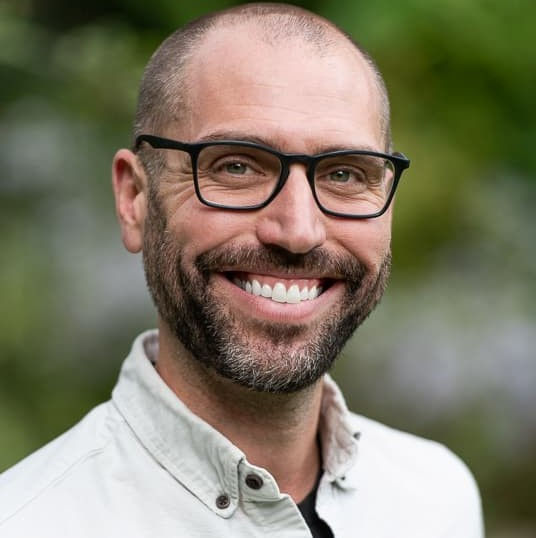 Jesse Swann-Quinn Jesse Swann-Quinn
Jesse Swann-Quinn
Associate Professor | Week 1 Faculty Lead

I’m most excited to work with students to process and understand the complexities of COP30 as it relates to their lives, values, and concerns. It think it will prove especially meaningful to share these experiences in Belem’s Amazonian context, on the frontlines of some of climate change’s most visceral impacts.
Hometown: Weymouth, Massachussets
School: Morrissey College of Arts & Sciences
Field of Study: Environmental Studies
Why did you get involved in COP 30?:
I joined the BC delegation to COP29 in Baku as a faculty participant, and am returning for COP30 as a faculty lead. My research and teaching broadly considers extractive economies in the global energy transition; resource governance and environmental justice; and the political economy of nature. Each of these topics intersects directly with the negotiations that will unfold in Belem, especially with COP30’s emerging focus on implementation across multiple scales. Attending COP allows me to explore new research directions with students, collaborate with new partners, and bring the experience of these critical global meetings directly into the classroom.
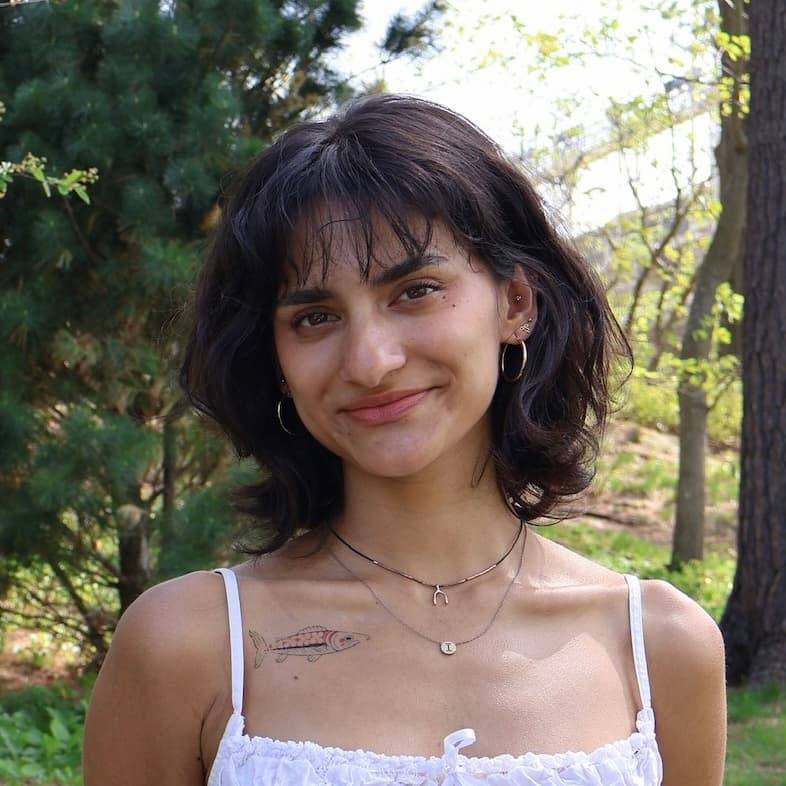 Isvarya Sylbert Isvarya Sylbert
Isvarya Sylbert
Undergraduate Student

In addition to observing crucial negotiations on women and gender, agricultural systems, and Indigenous peoples during Week 2, I am most excited to see what kind of protests and art installments take place in the Green Zone. Given the notable location of Belém at the gateway of the Amazon, I'm curious how local groups might respond to the conference, and what themes will be central in demonstrations.
Hometown: Los Angeles, California
School: Morrissey College of Arts and Sciences
Field of Study: Environmental Studies Major, Biology Minor
Graduation Year: 2026
Why did you get involved in COP 30?:
Born and raised in Downtown Los Angeles, I was always aware of environmental disparities between different socioeconomic classes. As I engaged more with environmental studies throughout college, I became interested in the way that climate change exacerbates existing disparities and yields unequal impacts on populations around the globe. COP30 is an integral part of discerning how these environmental justice issues will be dealt with, and of holding nations accountable for their contributions to global environmental harms.
 Lydia Tesfai Lydia Tesfai
Lydia Tesfai
Undergraduate Student

What excites me most about COP 30 is the chance to witness firsthand how international collaboration translates into real commitments from both governments and corporations. I look forward to engaging in discussions that address the challenges of financing decarbonization, especially in emerging markets, and to learning how public-private partnerships can scale innovative climate solutions.
Hometown: Bel Air, Maryland
School: Caroll School of Management
Field of Study: Finance
Graduation Year: 2027
Why did you get involved in COP 30?
I decided to get involved in COP 30 because I believe that the private sector and financial innovation are crucial to achieving meaningful climate progress. The long-term success of global sustainability efforts depends on the ability of businesses and investors to integrate environmental responsibility into their core decision-making. My academic background and professional interests lie at the intersection of finance and sustainability, and I see COP 30 as an opportunity to explore how markets, technology, and investment can accelerate the transition toward a low-carbon economy.
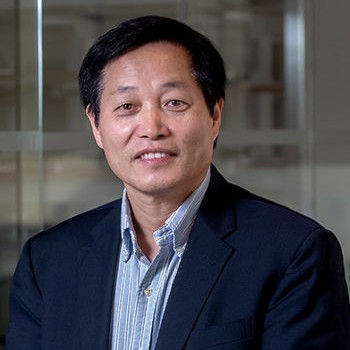 Hanqin Tian Hanqin Tian
Hanqin Tian
Professor

 Shelley White Shelley White
Shelley White
Associate Professor

As a social movements scholar, I am always interested to see how community organizing plays out around international negotiations, and how civil society works to hold governments and multilateral governing bodies accountable. On the issues of climate change and climate justice, the stakes could not be higher and I am grateful for the creative and resilient energies community organizations will bring to the table.
Hometown: Waltham, Massachussets
School: Connell School of Nursing
Field of Study: Global Public Health and the Common Good
Why did you get involved in COP 30?:
Climate change and health inequities are deeply intertwined. If we want a livable planet where all can thrive and achieve good health, we need to take action. The populations and nations facing the worst consequences of climate injustice are not the same as those contributing most to the problems. There are major issues of global and health justice at hand.
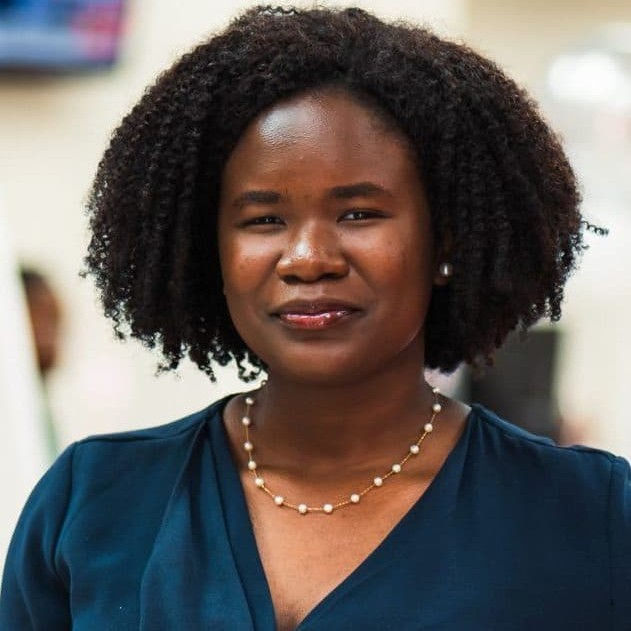 Dominique Williams Dominique Williams
Dominique Williams
Undergraduate Student

I am most excited for this opportunity to observe global negotiations first hand. I am also excited to connect with youth advocates from across the globe, as well as the leaders shaping environmental action in the public and private sector. Most of all I am excited for this opportunity enrich my advocacy as a Caribbean climate activist, by gaining access to powerful forums for change.
Hometown: Basseterre, Saint Kitts and Nevis
School: Morrissey College of Arts and Sciences
Field of Study: Environmental Studies and Economics
Graduation Year: 2028
Why did you get involved in COP 30?:
I was motivated to apply to join the BC COP30 delegation due to my strong interest in climate justice and climate change adaptation in the Global South. Climate change undermines the health, wellbeing, and economic security of vulnerable communities. A category 5 hurricane can wipe out a family’s net worth overnight, uprooting homes from the very foundation, while years of drought and poor yields can destroy people’s livelihoods. My experience collaborating with Caribbean activists and policymakers has made clear that global policies—such as Loss and Damage, climate finance, and protections for climate migrants—are lifelines for those on the frontlines of the climate crisis.