




New interdisciplinary minor in real estate
Students will learn how the built environment impacts people’s lives.

Boston College's Instagram has been ranked among the top university accounts in higher education. See what sets us apart on BC Social.
Featured Boston College videos from around campus and around the world.
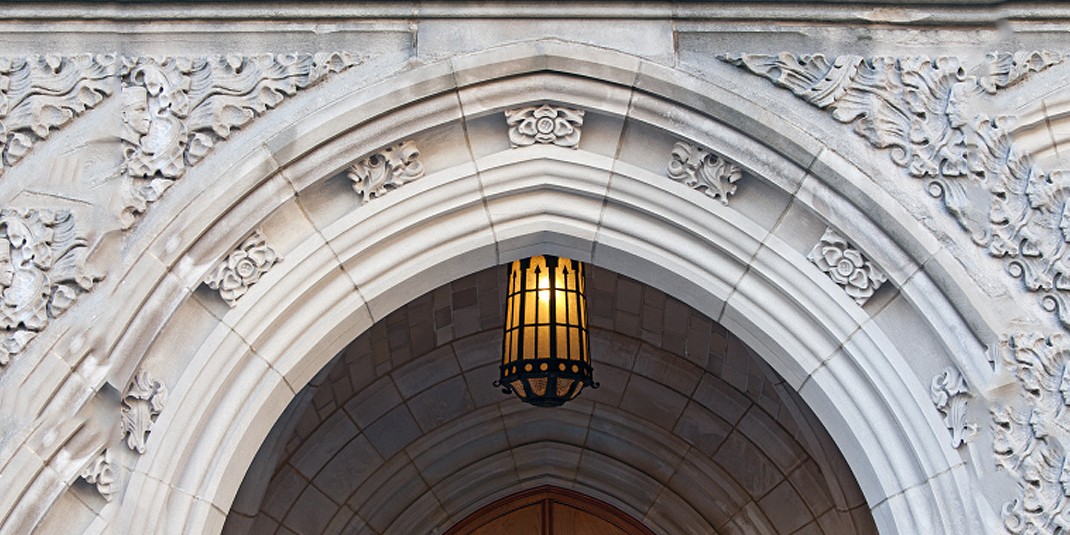
“ Our call is to live lives of conviction, service, and faith, to stand out like Gasson Hall's tower at night—a light to the world. ”
The Common Data Set initiative is a collaborative effort among data providers in the higher education community and publishers as represented by the College Board, Peterson’s, and U.S. News & World Report. The combined goal of this collaboration is to improve the quality and accuracy of information provided to all involved in a student’s transition into higher education.
.jpg)
Gasson Hall at sunset.


.webp)

